The Future of HR in Africa Will Not Be Certified. It Will Be Competent.
The Future of HR in Africa Will Not Be Certified. It Will Be Competent.
What if the greatest risk facing HR in Africa isn't a lack of certification... but confusing certification with competence?
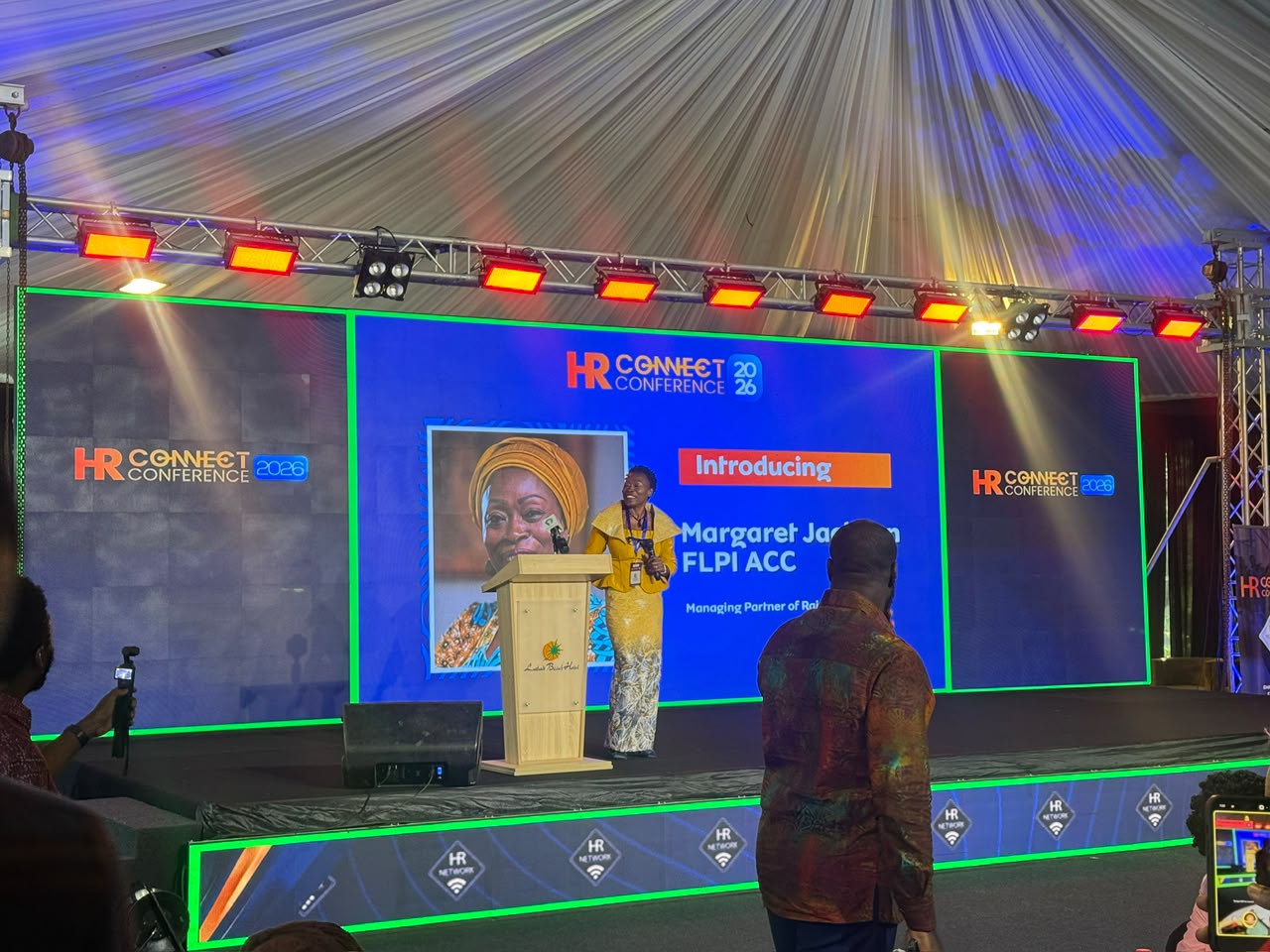
That question has stayed with me ever since I left HR Connect Conference 2026, organised by HR Network Africa.
For decades, our profession has rightly encouraged HR practitioners to pursue professional qualifications. I have done the same throughout my career because I believe learning is non-negotiable. Certifications expose us to global best practice, deepen our technical knowledge and demonstrate our commitment to professional excellence.
But somewhere along the way, I wonder whether we have unintentionally started celebrating the certificate more than the competence it was meant to build.
Because the truth is this:
Africa doesn't need more qualified HR professionals. It needs more strategically competent HR leaders.
There is a distinction we can no longer afford to ignore.
A certificate tells me what you know.
Competence tells me what your organisation will become because of you.
That distinction sat at the heart of this year's conference theme: "From Certification to Competence: Why Elevating HR is Critical for Business Growth and Competitive Advantage in Africa."
It wasn't just the theme of a conference. It is becoming the mandate for our profession.
As I listened to conversations in the corridors, participated in panel discussions, and watched the masterclasses unfold, I realised that the conversation around HR has fundamentally changed.
The questions Chief Executives are asking have changed.
The expectations of Boards have changed.
The demands of business have changed.
And HR must change with them.
Today's CEOs are no longer impressed by the number of training programmes delivered, policies reviewed or vacancies filled. Those activities remain important, but they are no longer enough. Increasingly, executives are asking different questions.
How are we improving productivity?
How are we strengthening leadership capability?
How are we retaining our best talent?
How are we preparing our workforce for artificial intelligence and the future of work?
How is HR contributing to business growth and competitive advantage?
Those are not HR questions.
They are business questions.
And if HR wants a permanent seat at the executive table, we must become exceptionally good at answering them.
One of the strongest messages from HR Connect 2026 came not from a keynote speech, but from the design of the conference itself. The masterclasses moved beyond presentations and immersed participants in solving real organisational challenges. Delegates were not simply taking notes; they were wrestling with practical problems, testing ideas and leaving with frameworks they could apply immediately in their organisations.
That is the difference between information and competence.
It reinforced something I have believed for many years:
"HR earns its seat at the executive table when it stops talking about HR and starts talking about business."
That single shift changes everything.
When HR begins every conversation with business outcomes instead of HR activities, executives stop seeing HR as a support function and start recognising it as a strategic partner.
For Africa, this shift could not be be more important.
Our organisations are navigating economic uncertainty, rapid technological change, shifting workforce demographics and increasing global competition. Every investment in people must strengthen innovation, productivity, customer experience and organisational resilience. We simply cannot afford an HR profession that measures success by activity instead of impact.
We need HR leaders who are commercially intelligent as well as technically competent. Leaders who can interpret workforce data and influence executive decisions. Leaders who can build leadership capability while shaping organisational culture. Leaders who understand that every people initiative must ultimately improve business performance.
That is the HR profession Africa needs.
As I reflected on the conference, one thought continued to echo in my mind.
The future of HR in Africa will not belong to the professionals with the longest list of letters after their names.
It will belong to those who can answer one simple question:
"What measurable difference has your work made to the organisation?"
That is the question every Board wants answered.
That is the question every Chief Executive is asking.
And that is the question every HR professional should be preparing to answer.
Because organisations do not reward certificates.
They reward capability.
They reward influence.
They reward impact.
The future of HR will not be decided by what we know.
It will be decided by the value we create.
And that is why I believe the future of HR in Africa will not be certified.
It will be competent.